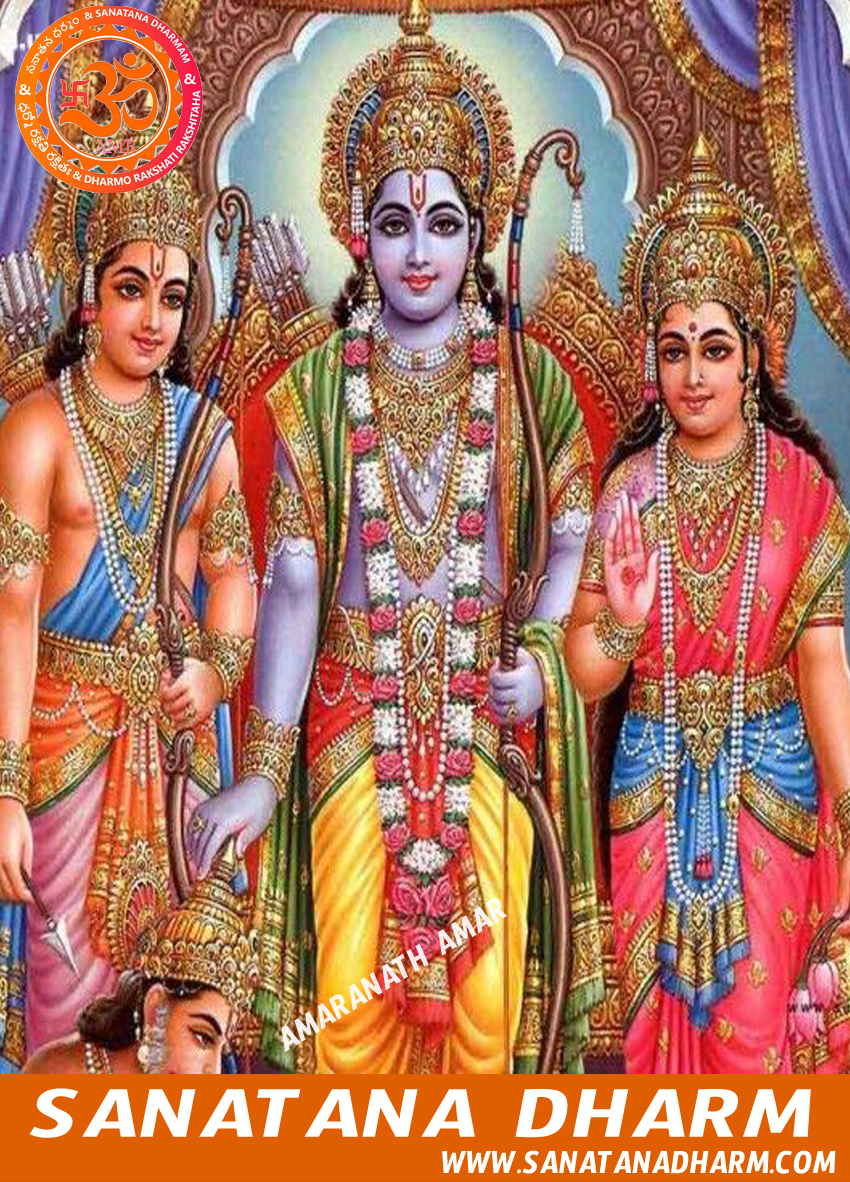
Then Rama taking his position at the banks of Tamasa river and looking at Sita, spoke to Lakshmana as follows :
तब तमसा नदी के सुंदर किनारे पर पहुँचकर, श्री राम ने सीता को देखकर लक्ष्मण से यह वचन कहा।
Ayodhya Kanda – Sarga 46 · v2
इयम् अद्य निशा पूर्वा सौमित्रे प्रस्थिता वनम् |
वन वासस्य भद्रम् ते स न उत्कण्ठितुम् अर्हसि || २-४६-२
"Oh, Lakshmana! We have been sent to the forest. Today is the first night of our residence in the forest .You ought not feel anxious. May all be well with you!"
यह रात्रि आज वन जाने के लिए प्रस्थान कर चुकी है, हे सौमित्र! तुम्हारा कल्याण हो, तुम्हें वनवास के लिए उत्कंठित नहीं होना चाहिए।
"Look here: As the animals and birds are returning to their respective abodes seeking for shelter, the desolate woods seem to be crying from all sides"
वन सूने लग रहे हैं, मानो चारों ओर रो रहे हों। जैसे हिरण और पक्षी अपने घर लौटकर छिप गए हों।
Ayodhya Kanda – Sarga 46 · v4
अद्य अयोध्या तु नगरी राज धानी पितुर् मम |
सस्त्री पुंसा गतान् अस्मान् शोचिष्यति न संशयः || २-४६-४
"Now, the city of Ayodhya the capital of my father with its men and women will lament about us that have departed (to the forest). There is no doubt"
मेरे पिता की राजधानी अयोध्या नगरी आज स्त्री-पुरुषों सहित हम सबको याद करके अवश्य शोक करेगी, इसमें कोई संदेह नहीं है।
Ayodhya Kanda – Sarga 46 · v5
अनुरक्ता हि मनुजा राजानम् बहुभिर्गुणैः |
त्वाम् च माम् च नरव्याघ्र शत्रघ्नभरतौ तथा || २-४६-५
"Oh, tiger among men! The citizens (of Ayodhya) are indeed having affection to the king no less than to you and myself, as also to Bharata and Satrughna, for many of our virtues."
यह श्लोक कहता है कि जिस प्रकार मनुष्य राजा से अनेक गुणों के कारण प्रेम करते हैं, उसी प्रकार हे नरश्रेष्ठ, शत्रुघ्न और भरत भी आपसे प्रेम करते हैं।
"I feel repented for my father and my illustrious mother. I fear whether they will become even blind, by weeping incessantly."
पिता और यशस्वी माता का मुझे शोक है। वे दोनों ही बार-बार रोते हुए शायद अब शांत हो गए होंगे।
Ayodhya Kanda – Sarga 46 · v7
भरतः खलु धर्म आत्मा पितरम् मातरम् च मे |
धर्म अर्थ काम सहितैः वाक्यैः आश्वासयिष्यति ||२-४६-७
"Bharata, the virtuous man, can indeed console my father and mother by his kind words."
भरत निश्चित रूप से धर्मनिष्ठ हैं, वे मेरे पिता और माता को धर्म, अर्थ और काम से युक्त वाक्यों से आश्वस्त करेंगे।
Ayodhya Kanda – Sarga 46 · v8
भरतस्य आनृशंसत्वम् संचिन्त्य अहम् पुनः पुनः |
न अनुशोचामि पितरम् मातरम् च अपि लक्ष्मण || २-४६-८
"Oh,Lakshmana! Thinking of Bharata's kindness again and again, I do not grieve for our father and mother"
भरत की निस्वार्थता का विचार करके, हे लक्ष्मण, मैं बार-बार अपने पिता और माता को याद करके शोक नहीं करता।
Ayodhya Kanda – Sarga 46 · v9
त्वया कार्यम् नर व्याघ्र माम् अनुव्रजता कृतम् |
अन्वेष्टव्या हि वैदेह्या रक्षण अर्थे सहायता || २-४६-९
"Oh, Lakshmana, tiger among men! You have done well by accompanying me, as otherwise, a help would have to be sought for by me for protecting Seetha"
हे नरश्रेष्ठ, तुमने मेरा अनुसरण करके अपना कर्तव्य पूरा किया है। अब वैदेही (सीता) की रक्षा के लिए सहायता की आवश्यकता है।
" Oh, Lakshmana! I shall live on water alone tonight. Though there are various kinds of wild fruits and roots, this is indeed a liking for me"
हे सौमित्रे, आज मैं जल के समीप ही यह रात्रि बिताऊँगा। क्योंकि मुझे यह बहुत प्रिय है, भले ही वन विविध प्रकार का हो।
Thus telling Lakshmana, Rama spoke also to Sumantra as follows: "Oh, gentle man! Attend to the horses carefully."
यह सुनकर राम ने लक्ष्मण से कहा, "हे सौम्य, तुम घोड़ों के प्रति सावधान रहना।"
The sun having completely set, Sumantra tied up the horses, supplied them with abundant grass and immediately stood nearest (to Rama).
सूर्य के अस्त होने पर सुमन्त्र ने घोड़ों को अच्छी तरह से रोका। उन्हें पर्याप्त चारा खिलाकर वह तुरंत ही उनके पास बैठ गया।
Having worshipped the beautiful evening twilight and having seen the night come nearer, Sumantra along with Lakshmana made the bed for Rama.
संध्या का उपवास करके और रात्रि को उपस्थित देखकर, सारथी ने लक्ष्मण के साथ राम के लिए शयन की व्यवस्था की।
Seeing that bed made of leaves of a tree on the bank of Tamasa river with the help of Lakshmana, Rama along with his wife laid down on it.
सरल हिंदी अनुवाद: तमसा नदी के किनारे वृक्षों के पत्तों से बनी उस शय्या को देखकर, राम अपने भाई लक्ष्मण और पत्नी सीता के साथ सो गए।
Seeing that brother sleeping along with his wife, Lakshmana narrated Rama's various virtues to Sumantra.
लक्ष्मण ने अपने भाई राम को उनकी पत्नी सहित गहरी नींद में देखकर रथ चलाने वाले सारथी से राम के अनेक गुणों का वर्णन किया।
WhileLakshmana was thus recounting Rama's excellences to Sumantra, keeping awake that whole night at the bank of Tamasa river, the sun rose.
यहाँ संस्कृत श्लोक का सरल हिंदी अनुवाद दिया गया है: जागते हुए लक्ष्मण के लिए वह रात बीत गई, जब सूर्योदय हुआ। उस समय सारथी के साथ तमसा नदी के किनारे राम उनके गुणों का बखान कर रहे थे।
At a good distance from Tamasa river, whose banks were crowded with herds of cows, Rama passed that night there with the citizens.
गोकुल के पास तमसा नदी के किनारे, राम अपने साथियों के साथ उस रात रुके।
Getting up from the bed and seeing those citizens, Rama with an extraordinary splendor, spoke to his brother, Lakshmana who was endowed with auspicious bodily marks:
महान तेजस्वी राम ने उठकर प्रजा को देखा और फिर पुण्यवान लक्ष्मण से कहा।
Ayodhya Kanda – Sarga 46 · v19
अस्मद् व्यपेक्षान् सौमित्रे निरपेक्षान् गृहेष्व् अपि |
वृक्ष मूलेषु संसुप्तान् पश्य लक्ष्मण साम्प्रतम् || २-४६-१९
"Observe, Oh Lakshmana, the citizens full of longing for us, unmindful even of their homes, sleeping together at the roots of trees, Oh, the son of Sumitra!"
हे सौमित्रे, देखो, इस समय घर में भी जो लोग किसी पर निर्भर नहीं हैं, वे वृक्षों के नीचे सो रहे हैं।
"From the way in which these citizens are making coercion to take us back (to Ayodhya), it seems they will even lay down their lives, but in no case would give up their resolve"
जैसे ये नगरवासी हमारे लौटने पर नियम का पालन करते हैं, वैसे ही वे निश्चय ही अपने प्राणों का भी बलिदान कर देंगे, पर पीछे नहीं हटेंगे।
"Till which time the citizens are asleep, within that time, let us quickly mount the chariot and take a route which has no fear from any quarter"
जब तक वे सो रहे हैं, तब तक हम भी छोटे हैं। रथ पर चढ़कर हम निर्भय मार्ग पर चलते हैं।
"From this the citizens of Ayodhya (the ancient capital of Ikshvaku), who are longing for me, may not sleep as of now, at the roots of trees again and again"
अतः अब से इक्ष्वाकु नगर के निवासी, जो मुझ पर अनुरक्त हैं, वे वृक्षों की जड़ों का आश्रय लेकर फिर कभी नहीं सोएंगे।
Ayodhya Kanda – Sarga 46 · v23
पौरा हि आत्म कृतात् दुह्खात् विप्रमोच्या नृप आत्मजैः |
न तु खल्व् आत्मना योज्या दुह्खेन पुर वासिनः || २-४६-२३
"The residents of city should indeed be made free of their suffering brought about by (citizens) themselves, by the sons of their rulers. The citizens should on no account be burdened with hardship caused by (princes) them selves as is our case."
नगरवासी अपने द्वारा किए गए दुख से स्वयं ही मुक्त होते हैं, राजा के पुत्रों द्वारा नहीं। वास्तव में, नगरवासियों को दुख से स्वयं ही जुड़ना चाहिए, न कि दूसरों पर निर्भर रहना चाहिए।
Lakshmana replied as follows to Rama, who is standing firm like righteousness personified: "Oh, wise brother! What you say is agreeable to me. (Pray) ascend the chariot quickly"
लक्ष्मण ने धर्म के समान स्थित श्रीराम से कहा, "हे महाबुद्धिमान! मुझे यह अच्छा लगता है, शीघ्र ही चढ़ जाइए।"
Then, the glorious Rama spoke to the charioteer as follows: "Oh, capable man! Keep the chariot ready. I shall proceed to the forest. Let us go quickly from here."
श्रीमान् राम ने सुमन्त्र से कहा, "रथ तैयार करो। मैं वन को जाऊँगा, हे प्रभो, शीघ्रता से यहाँ से प्रस्थान करो।"
Then, Sumantra quickly fastened the chariot to its excellent horses and thereafter submitted with joined palms to Rama (as follows):
रथवान् तब शीघ्रता से उन उत्तम घोड़ों से रथ को जोड़कर, श्री राम के सामने हाथ जोड़कर निवेदन करने लगा।
Ayodhya Kanda – Sarga 46 · v27
अयम् युक्तो महाबाहो रथस्ते रथिनाम् वर |
त्वमारोहस्व भद्रम् ते ससीतः सहलक्ष्मणः || २-४६-२७
"Oh, mighty armed prince! Your chariot is kept ready. You ascend it along with Sita and with Lakshmana, Oh jewel among car-warriors! May prosperity attend you"
हे महाबाहो, यह रथ योद्धाओं में श्रेष्ठ तुम्हारे लिए उपयुक्त है। तुम्हारा कल्याण हो, तुम ससीत और सहलक्ष्मण के साथ इस पर सवार हो जाओ।
Rama mounted the chariot with all necessaries (like bow, armor, quiver, spade, basket, and so on) and crossed the swift flowing Tamasa river, thickly set with whirl- pools.
यहाँ संस्कृत श्लोक का सरल हिंदी अनुवाद दिया गया है: अपने साथियों के साथ रथ पर सवार होकर, रघुवीर ने घने अंधकार से भरी और तीव्र प्रवाह वाली नदी को शीघ्रता से पार किया।
Ayodhya Kanda – Sarga 46 · v29
स सम्तीर्य महाबाहुः श्रीमान् शिवमकण्टकम् |
प्रापद्यत महामार्गमभयम् भयदर्शिनाम् || २-४६-२९
Having duly crossed the stream, the glorious Rama the mighty armed reached a great road free from obstacles and safe even for those who are apprehensive of danger.
वह विशाल भुजाओं वाले, तेजस्वी और निर्विघ्न शिव ने भयभीत लोगों के लिए अभय मार्ग में प्रवेश किया।
In order to elude the citizens, Rama spoke to Sumantra as follows: "Oh, charioteer! You mount the chariot and go northward. Proceed for a while quickly and bring back the chariot again. Remaining careful, do it in such a way that the citizens may not be able to locate me"
यहाँ संस्कृत श्लोक का सरल हिंदी अनुवाद दिया गया है: राम ने धन के लिए पुराणों के सारथी से कहा, "हे सारथी, रथ पर सवार होकर शीघ्रता से जाओ। थोड़ी देर जाकर रथ को वापस ले आओ, ताकि नगरवासी मुझे न देख सकें, ऐसा ध्यानपूर्वक करो।"
Ayodhya Kanda – Sarga 46 · v31
रामस्य वचनम् श्रुत्वा तथा चक्रे स सारथिः |
प्रत्यागम्य च रामस्य स्यन्दनम् प्रत्यवेदयत् || २-४६-३२
Hearing Rama's advice, the charioteer made a round of the chariot as he was suggested and on returning, reported to Rama about the arrival of the chariot.
राम की बात सुनकर सारथी ने वैसा ही किया। वह लौटकर राम के रथ को उनके पास ले आया।
Then, Rama and Lakshmana(the promoters of the race of Raghu) along with Sita ascended the chariot yoked together. The charioteer urged the horses along the route by which they can reach a grove suited to the practice of austerities.
दोनों वीर, रघुवंश के बढ़ाने वाले, उस रथ पर सवार हुए। तब सारथी ने घोड़ों को उस मार्ग पर दौड़ाया जहाँ तपोवन था।
However, Sumantra placed that chariot by facing it to the north, for he saw omens auspicious for journey (in that quarter). Rama (son of Dasaratha) the mighty car-warrior, along with the charioteer mounted the chariot and proceeded to the forest.
तब महान योद्धा दशरथपुत्र राम, सारथी सहित रथ पर सवार होकर वन को चले गए। उन्होंने अपने रथ को उत्तर दिशा की ओर कर लिया, क्योंकि उन्हें शुभ शकुन दिखाई नहीं दे रहे थे।